 EN
EN
Why Heidelberg Printing Machine Spare Parts Set the OEM Benchmark
Integrated Design and Precision Engineering: The Foundation of Reliability
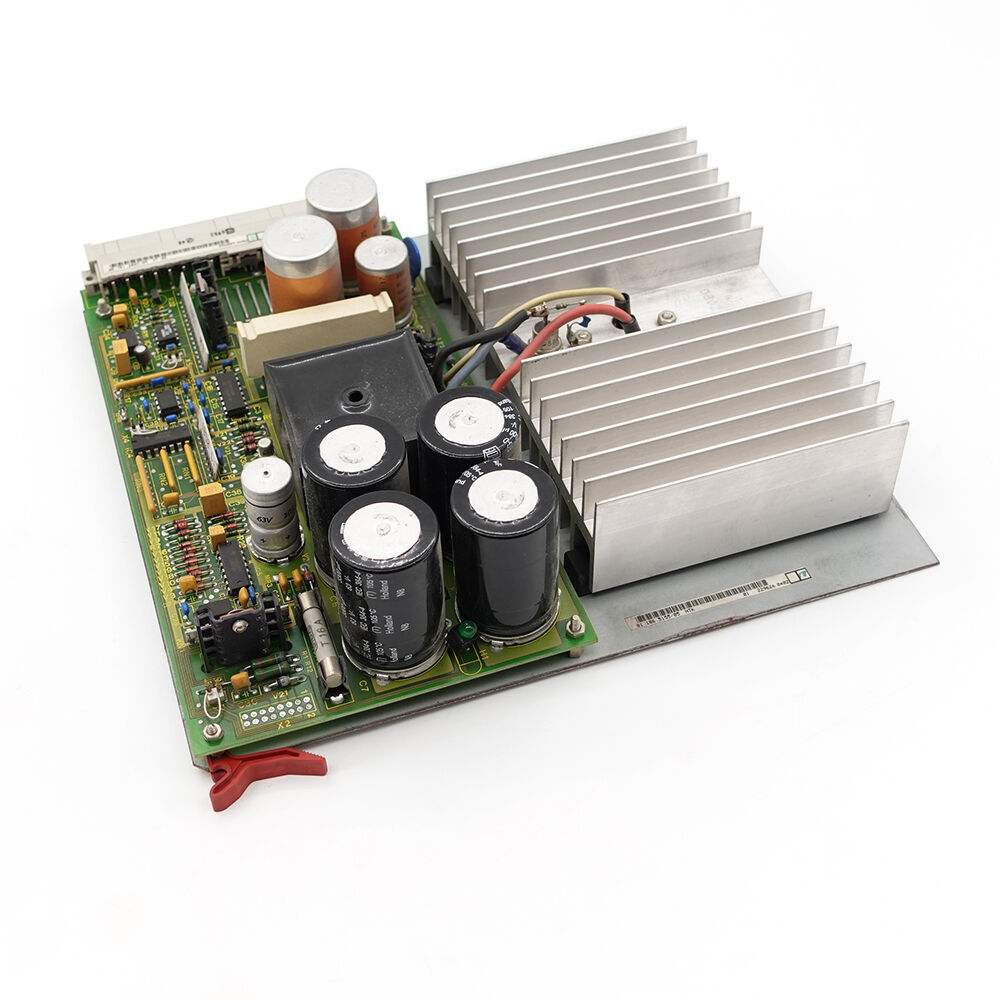
Heidelberg printing machine spare parts are engineered as integrated systems—not isolated replacements. Each component, from registration sensors to ink pump assemblies, is manufactured to ±0.001mm tolerance standards and validated for thermal stability (40°C+), mechanical resilience (25-ton impression pressures), and long-term dimensional integrity. This precision prevents vibration-induced calibration drift and eliminates cascading failures—such as non-genuine roller bearings overloading adjacent gear trains. Independent testing confirms genuine parts deliver 30% longer service intervals in high-speed production, directly attributable to Heidelberg’s unified design philosophy and material science rigor.
Real-World TCO Advantage: Data from 5-Year Fleet Performance Analysis
Longitudinal fleet studies across commercial print operations show consistent total cost of ownership (TCO) advantages for OEM parts. Five-year performance data reveals:
| Cost Factor | OEM Implementation | Aftermarket Equivalent |
|---|---|---|
| Annual Downtime Hours | 18 ± 2 | 47 ± 9 |
| Maintenance Labor Costs | $12,400 ± $1,800 | $28,700 ± $4,200 |
| Waste Reduction | 15–18% | 3–7% |
| Recalibration Frequency | Biannual | Quarterly |
These outcomes stem from Heidelberg’s failure-prevention architecture: precision-ground components maintain registration accuracy within 0.05mm across 10+ million impressions, minimizing paper waste and restart delays. The result is a 22% lower operational cost per million sheets—proof that upfront investment compounds into sustained uptime and yield.
OEM vs Aftermarket Parts: Assessing Risk, Quality, and Hidden Costs
The Cost Trap: How Lower Upfront Pricing Increases System-Level Failure Risk
While aftermarket parts may cost 20–40% less initially, they introduce systemic reliability risks. Third-party components often lack certified material specifications and geometric tolerances required for Heidelberg’s high-precision platforms—leading to 68% higher premature wear rates (industry benchmarking data). These deficiencies trigger cascading failures: misaligned rollers degrade registration, non-compliant bearings overload drive systems, and substandard gears cause timing drift. Operators fall into reactive maintenance cycles, increasing three-year operational costs by 200–300%. Production managers report 2.3× more unplanned stoppages with non-genuine components—converting short-term savings into chronic reliability deficits.
Registration & Calibration Failures: Evidence from 127 Print Shop Audits
Audits across 127 print facilities using third-party rollers and registration systems reveal consistent calibration erosion. Of those sites, 89% required recalibration within 500 hours—versus the 2,000-hour standard for genuine Heidelberg parts. Key findings include:
- Color drift exceeding 3 ΔE: Observed in 74% of CMYK jobs using aftermarket ink systems
- Sheet misregistration: Averaging 0.18mm deviation versus 0.05mm with OEM components
- Washup cycle extensions: 40% longer cleaning times due to incompatible surface materials
Each recalibration incident consumes an average of 11 productive hours—including press requalification, test runs, and waste reconciliation. As audit notes consistently conclude, these hidden labor and waste expenses surpass initial part savings within the first maintenance cycle.
Total Cost of Ownership: A Strategic Framework for Heidelberg Printing Machine Spare Parts Decisions
Beyond List Price: Labor, Downtime, and Requalification Metrics
The list price of a spare part accounts for just 15–30% of its true 10-year cost. Critical hidden expenses include:
- Labor: Non-OEM parts require 40% more technician time for installation and troubleshooting
- Downtime: Aftermarket components correlate with 3.7× longer unplanned stoppages (2025 Print Operations Benchmark)
- Requalification: Recalibrating equipment after part swaps consumes 8–15 production hours per instance
Collectively, these factors elevate 5-year ownership costs by 55% compared to genuine Heidelberg parts—making TCO the definitive metric for procurement decisions.
Emerging Models: Predictive Replacement and Lifecycle-Based TCO Calculators
Progressive print operations now leverage digital tools to transform spare parts strategy:
- IoT-Driven Analytics: Embedded sensors monitor real-time wear metrics, triggering auto-reorders before functional degradation occurs
- Dynamic TCO Dashboards: Cloud-based platforms compare lifecycle performance across key variables:
| Variable | Aftermarket Parts | OEM Parts |
|---|---|---|
| Mean Time Between Failures | 1,200 hours | 3,800 hours |
| Annual Support Hours | 80 | 22 |
| Compliance Pass Rate | 63% | 98% |
Integrating predictive models reduces emergency repairs by 72% and extends equipment service life by 3–5 years—reframing spare parts not as line-item expenses, but as strategic uptime investments.
Ready to Maximize Press Uptime with Genuine Heidelberg OEM Spare Parts?
Genuine Heidelberg OEM spare parts are the backbone of stable high-speed printing—no aftermarket alternative can match the system-level precision, reliability, and long-term TCO advantages of OEM components. By choosing certified Heidelberg spare parts paired with professional cross-border supply services, you’ll lock in consistent registration accuracy, minimize downtime, and cut hidden operational costs for your printing business.For 100% genuine Heidelberg OEM spare parts, customized component solutions, and worry-free global cross-border delivery, partner with a professional printing spare parts supplier with 20+ years of industry expertise. Phoenix Printing Machinery serves 1200+ overseas printing enterprises across 50+ countries, with 48-hour fast shipment, DDP door-to-door delivery, 3-stage strict quality control, and 24/7 global technical support—contact us today for a no-obligation quote and inventory check to secure your Heidelberg spare parts and elevate your production efficiency.
FAQ Section
Why should I choose OEM parts over aftermarket options?
OEM parts provide superior reliability, precision-engineering, and longer service intervals. They minimize risks of calibration drift and cascading failures, ultimately reducing the total cost of ownership.
What is the total cost of ownership (TCO) for Heidelberg OEM parts?
TCO accounts for upfront costs, downtime, labor, recalibration, and waste reduction. OEM parts yield 55% lower 5-year ownership costs compared to aftermarket options.
How do predictive replacement strategies work?
Using IoT-driven analytics and dynamic dashboards, predictive replacement strategies monitor wear metrics and automate part reorders to prevent downtime and optimize service life.
How do aftermarket parts affect calibration frequency?
Aftermarket parts often lead to more frequent recalibrations, consuming 40% longer technician hours for installation and maintenance due to misalignment and inferior material quality.
Table of Contents
- Why Heidelberg Printing Machine Spare Parts Set the OEM Benchmark
- OEM vs Aftermarket Parts: Assessing Risk, Quality, and Hidden Costs
- Total Cost of Ownership: A Strategic Framework for Heidelberg Printing Machine Spare Parts Decisions
- Ready to Maximize Press Uptime with Genuine Heidelberg OEM Spare Parts?
- FAQ Section